Micropatchs
In brief
Measles is a highly contagious viral disease that mainly affects young children. It can lead to serious complications, such as pneumonia, encephalitis or blindness, and continues to threaten the lives of thousands of children every year.
In 2024, nearly 95,000 people died of measles worldwide, the majority of whom were children under the age of five.
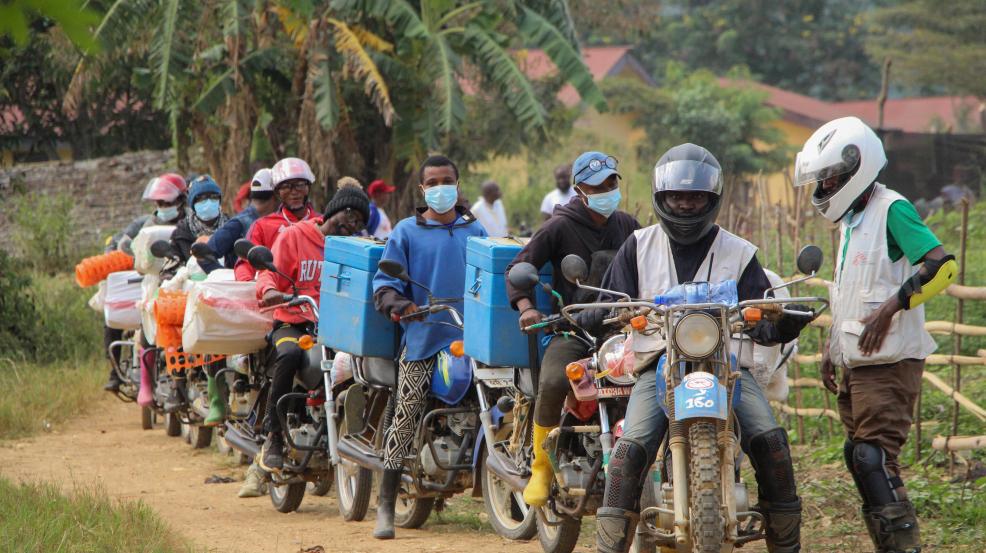
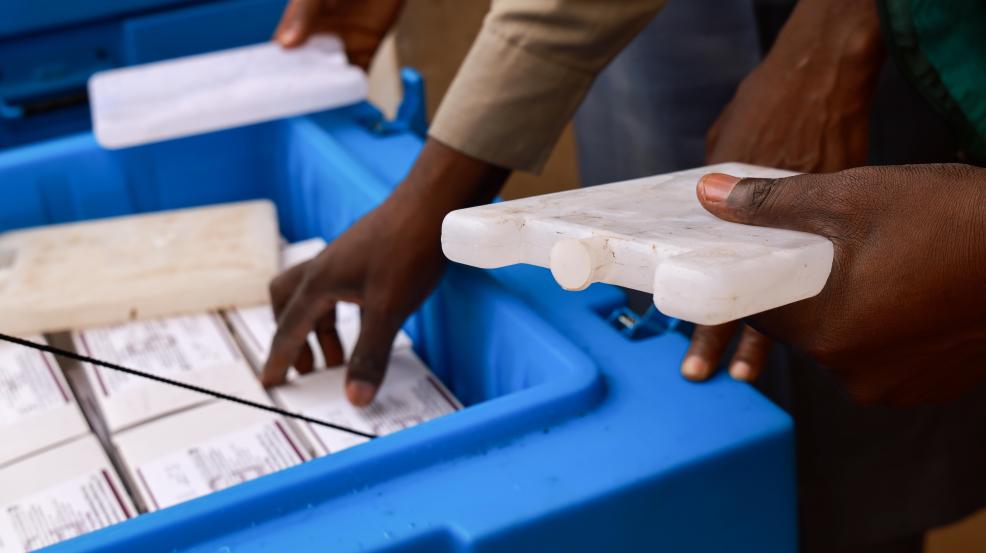
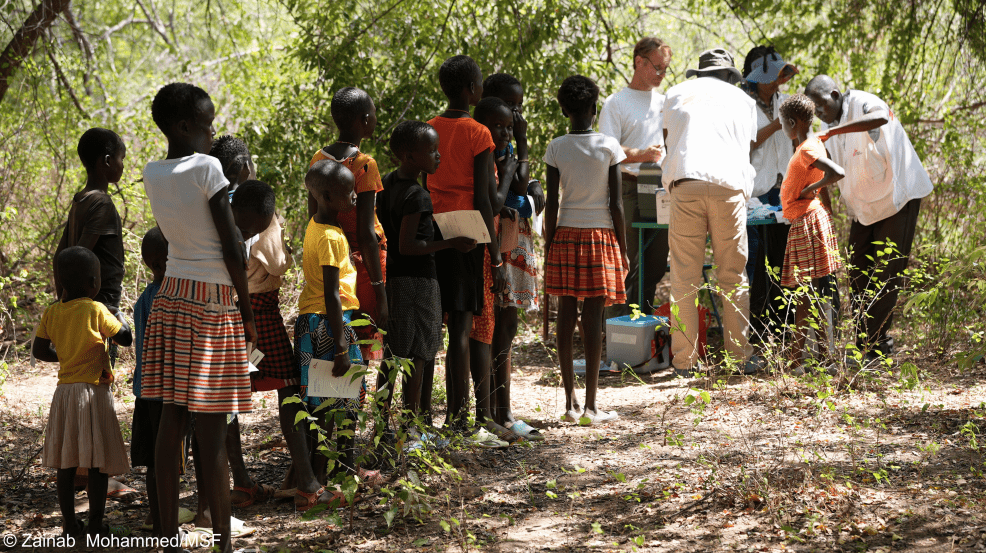
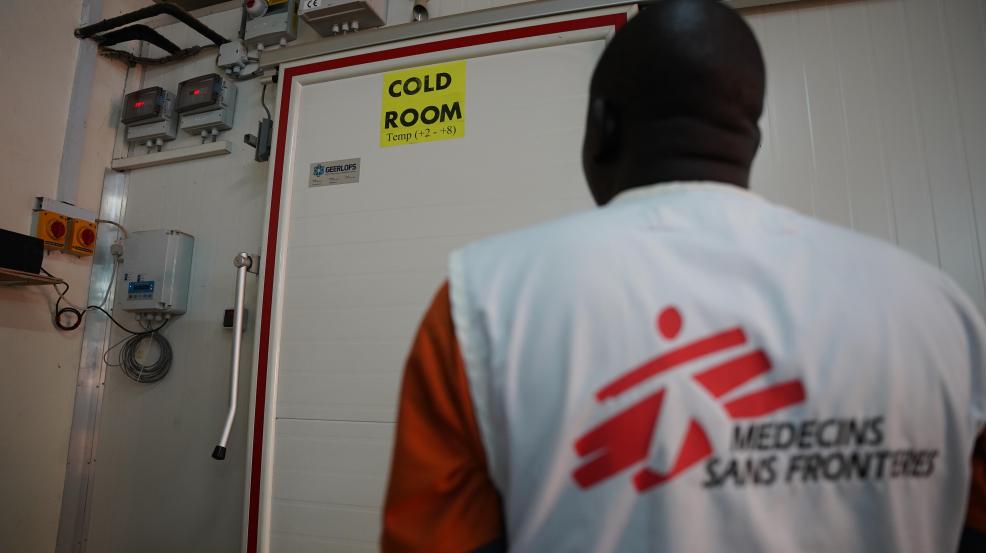
Despite the existence of an effective vaccine, vaccination coverage remains insufficient in many low- and middle-income countries, particularly in sub-Saharan Africa. Vaccination campaigns are complex to organise in these regions, notably due to the need for qualified staff, waste management issues linked, amongst other things, to the use of needles and syringes, and constraints related to the cold chain.
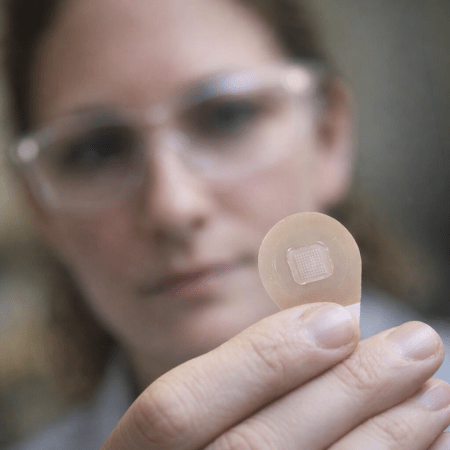
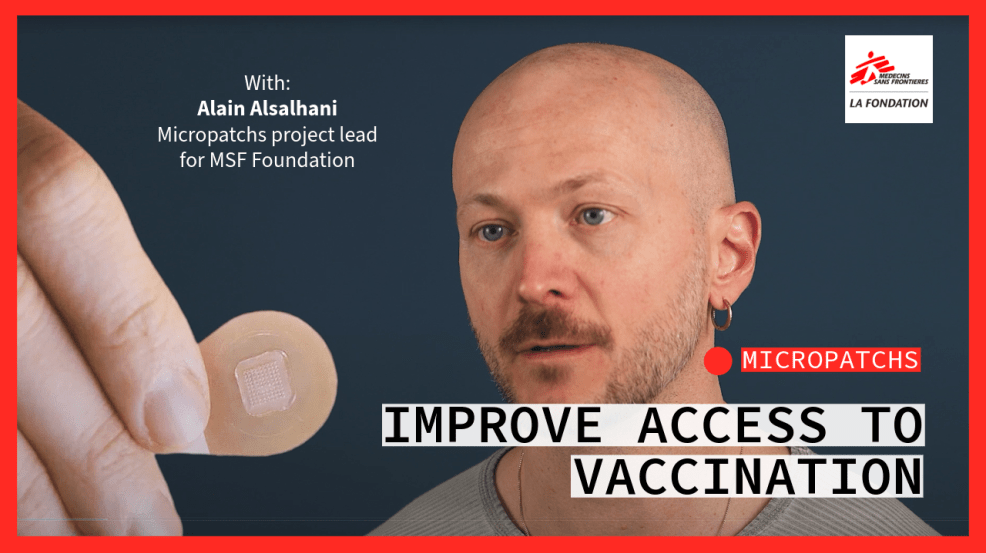
To overcome these obstacles, a promising innovation developed by industry and research partners has caught MSF’s interest: vaccine micro-patches (Microarray Patches – MAPs).
With marketing authorisation currently expected by 2030, the MSF Foundation is already engaged in operational research to prepare for the introduction of this technology in humanitarian contexts and to protect more children against measles.
Status of the project
Video
News
In detail
Our partners


L'équipe
our other projects
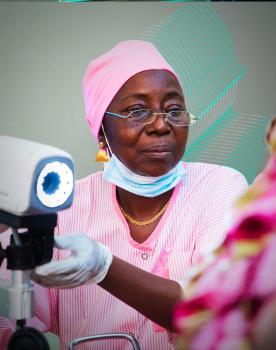
AI4CC
The MSF Foundation and its partners will conduct -upon ethical board validation of MSF and Malawian authorities- this clinical study in Malawi as part of MSF's program for care of women with cervical cancer at the Queen Elizabeth Hospital and the screening program in Blantyre health centers.
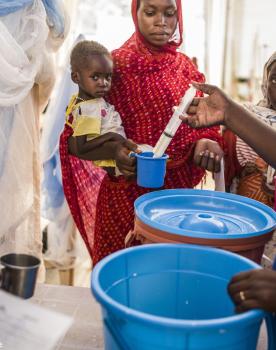
Optimilk F-60
The Optimilk F-60 project is a medical research and innovation initiative led by the MSF Foundation. Its goal is to modernize a key treatment for severe acute malnutrition in children.
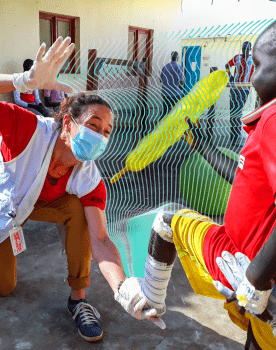
Developing rehabiliation care
Implementing new rehabilitation practices in pediatrics, for burn patients and in women’s health in MSF fields
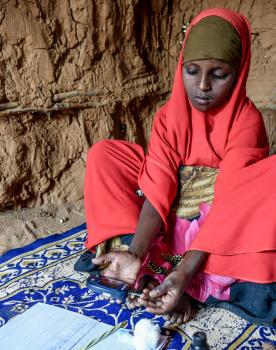
DKA Calculator
Reducing mortality related to diabetic ketoacidosis in children with type 1 diabetes by providing medical teams with a simple, reliable, and appropriate tool to guide clinical decision, even in the absence of specialists.

3D Program
The use of 3D technology makes it possible for the best experts to remotely design upper limb prostheses and compression orthoses using digital impressions of face and neck burns of patients treated by MSF in Jordan, Haiti, and Gaza.
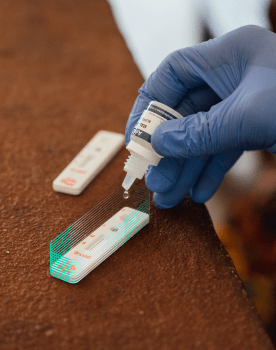
RDTs : Measles and meningitis
DiaTROPIX is a new platform for the development and production of rapid diagnostic tests (RDTs) at the Institut Pasteur in Dakar. This non-profit initiative aims to produce new rapid diagnostic tests that can be made available in countries where access to laboratory diagnosis is low or non-existent.
The MSF Foundation is financing and supporting the development by DiaTROPIX of two new RDTs for measles and meningitis. These two diseases with high epidemic potential represent a real public health problem in countries in which MSF conducts medical programmes, particularly in Sub-Saharan Africa.
Antibiogo
Antibiogo is a diagnostic aid medical device that aims to help doctors prescribe the most effective antibiotics to their patients. It is available as a free, open source and offline Android application. It allows non-expert laboratory technicians to measure and interpret antibiograms. It provides accurate results that can also be used for monitoring purposes and updating empirical treatments based on actual etiology.
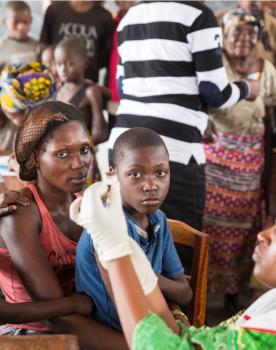
Yellow fever study
A solution to the global vaccine shortage

Alert-Epidemics
Alerte-Epidemics is a system for processing and notifying alerts to detect and respond to outbreaks of infectious diseases, including measles, meningitis, cholera, and COVID-19, in fragile settings.
The project was implemented between 2020 and 2024.
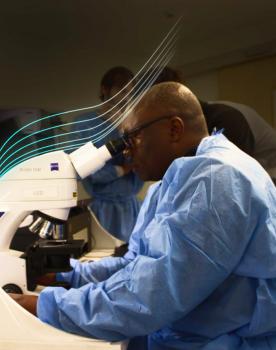
Mini-Lab
The purpose of the Mini-Lab project is to design and produce a small-scale, autonomous, transportable clinical bacteriology laboratory which is affordable and above all suited to the MSF’s fields of intervention. This concept, developed by MSF with its partners, is also intended to be made available to health care operators in countries with limited resources. The Mini-Lab project hosted by MSF has been able to benefit from other funding mechanisms and the Foundation has been able to redirect its funding to other emerging initiatives.