The CRASH
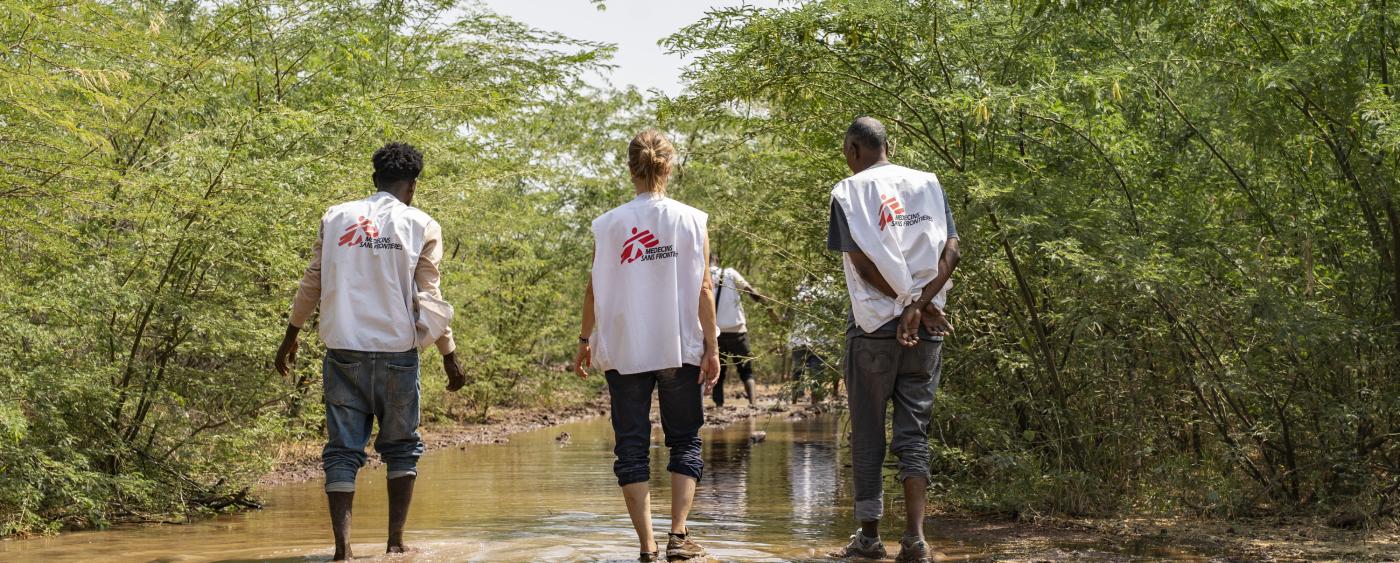
Paula Casado Aguirregabiria/MSF
The CRASH is Médecins Sans Frontières’ internal think tank. Its mission is to foster critical thinking on MSF’s humanitarian practices in order to improve both its operations and public positions. The team is made up of field-experienced individuals with academic training in the social sciences, and their work is built around several key pillars:
Research
Addressing political, medical and management issues, Crash conducts research on topics arising from MSF concerns that often reflect the concerns of the humanitarian aid world in general. Its research is presented in the form of publications, articles or books as well as discussion forums and conferences.
Assessment
The CRASH supports feedback, evaluation, and critical review of Médecins Sans Frontières operations. This activity contributes to critical reflection on our work and aims to improve it. It draws on methodologies from social sciences and epidemiology. This cross-cutting approach feeds into all of the team's activities (particularly research, training, and consulting).
Training
The CRASH contributes to the development of the MSc in Humanitarian Practice, a master's degree for humanitarian practitioners run by the University of Manchester and the Liverpool School of Tropical Medicine and co-founded by Médecins Sans Frontières. The team is also involved in several university programs in France. Finally, the CRASH organizes internal training courses focused on the challenges and difficulties encountered by operational managers in implementing MSF programs.
Advising
Crash advises MSF leaders as they formulate their positions on operational and public matters. To that end, it acts at the request of the association’s president, directors and operational managers on project-related issues, current events and organisational concerns.
Dissemination
Crash actively distributes its research through a website and social media while also organising or participating in seminars and workshops. In this way, we hope to reach not only aid workers and their colleagues worldwide but also academics, journalists and anyone in the general public interested in these issues.