
Diego Menjibar
Rehabilitation after cervical cancer treatment in Malawi: how can access for patients be improved?
Patient follow-up
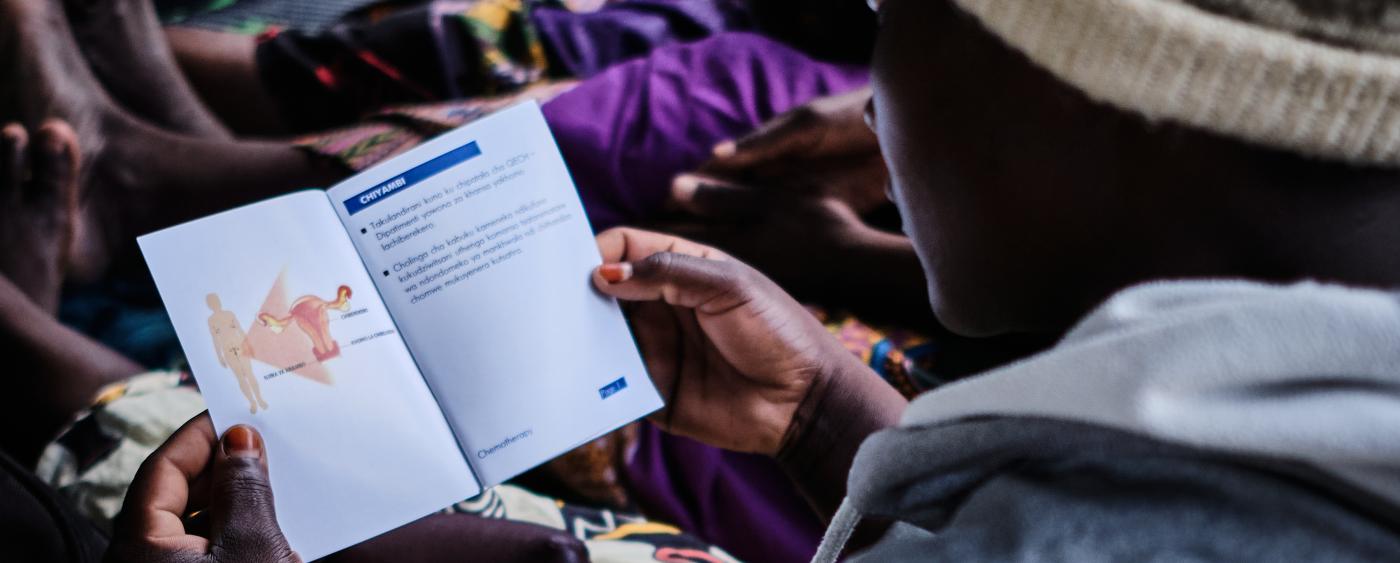
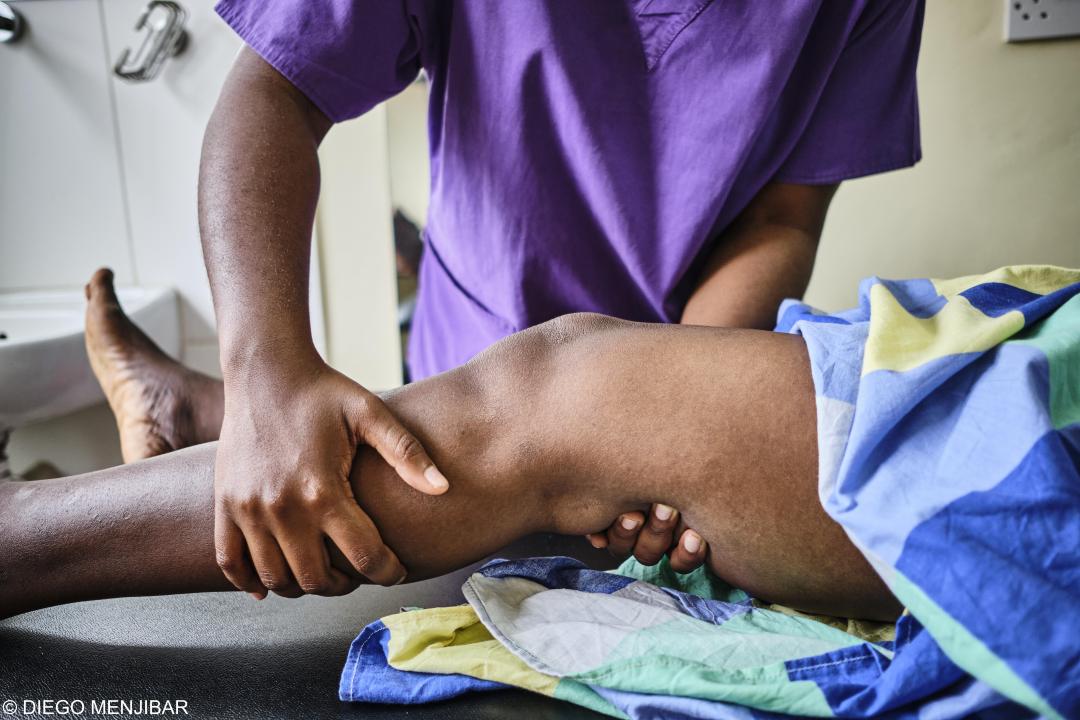
Within the MSF oncology project in Blantyre, in the south of the country, the rehabilitation team—made up of two physiotherapists and one backup—currently supports 714 patients, including 384 new women admitted to care in 2025.
Many of these women live far from the city. Travel to the hospital can be long, expensive and physically difficult, even though rehabilitation requires regular visits to prevent or treat common after-effects of treatment (surgery, chemotherapy and radiotherapy). These include vaginal stenosis, neuropathy, urinary or faecal incontinence, pelvic floor disorders and ongoing pain.
Vitumbiko Phiri, rehabilitation team supervisor within the MSF project, explains:
“Most of the women we follow have undergone heavy treatment. Rehabilitation helps them regain simple abilities: walking without pain, returning to farming or small business activities, and managing daily household tasks. It also improves sexual health and reduces isolation.”
In coordination with gynaecology, surgery, mental health, palliative care and pain management teams, physiotherapy sessions ideally begin before surgery, continue during treatment and can last up to one year after.
However, one major challenge remains: the lack of professionals trained in specialised rehabilitation care for women.
Decentralising care to bring services closer
A first step was taken in 2025 at Mangochi District Hospital, located more than a six-hour bus ride north of Blantyre. There, physiotherapists from the Ministry of Health were trained by the MSF Foundation to manage the functional effects of women’s cancers and their treatments. Since then, a clinic has been held every month, seeing an average of ten patients, for a total of approximately 180 rehabilitation sessions to date.
This decentralisation expands access to care and reduces the financial burden and fatigue linked to travel for patients in this region. It also improves follow-up: women can be seen more regularly, instead of every three or six months, which allows more continuous care and quicker management of complications or long-term effects.
At the start of 2026, this effort is accelerating.
Elizabeth Braga, a physiotherapist specialised in women’s health for the MSF Foundation, arrived in early January. Together with the Blantyre team, she is supporting the introduction of this specialised care in two other nearby district hospitals: Zomba Central Hospital, northeast of Blantyre, and Mulanje District Hospital to the east.
For Elizabeth, working with these public health facilities is essential:
“Beyond improving access to care, this collaboration strengthens local skills in rehabilitation for pelvic cancers, such as cervical and vulvar cancer. By working with central and district hospitals from the Ministry of Health, the teams help build long-term technical capacity within Malawi’s health system, beyond MSF.”

Decentralising rehabilitation services in Malawi marks an important step in improving the care pathway for women affected by cervical cancer. By training physiotherapists in several regions and working with public health facilities, the MSF Foundation is helping make this care more available and sustainable.
For these women, appropriate rehabilitation is not only about treatment: it is essential to regain independence, dignity and quality of life. Developing this specialised rehabilitation is therefore part of a more humane and comprehensive approach, which is key to the recovery of women affected by cervical cancer.
Diego Menjibar