Martina Bacigalupo
Launch of Clinical Studies for a Rapid Measles Diagnostic Test – DiaTROPIX
In many sub-Saharan African countries, vaccination coverage remains insufficient and access to diagnostics is too limited to effectively contain outbreaks. MSF’s experience shows that the later an outbreak is detected, the greater the transmission and mortality, and the more complex the response becomes.
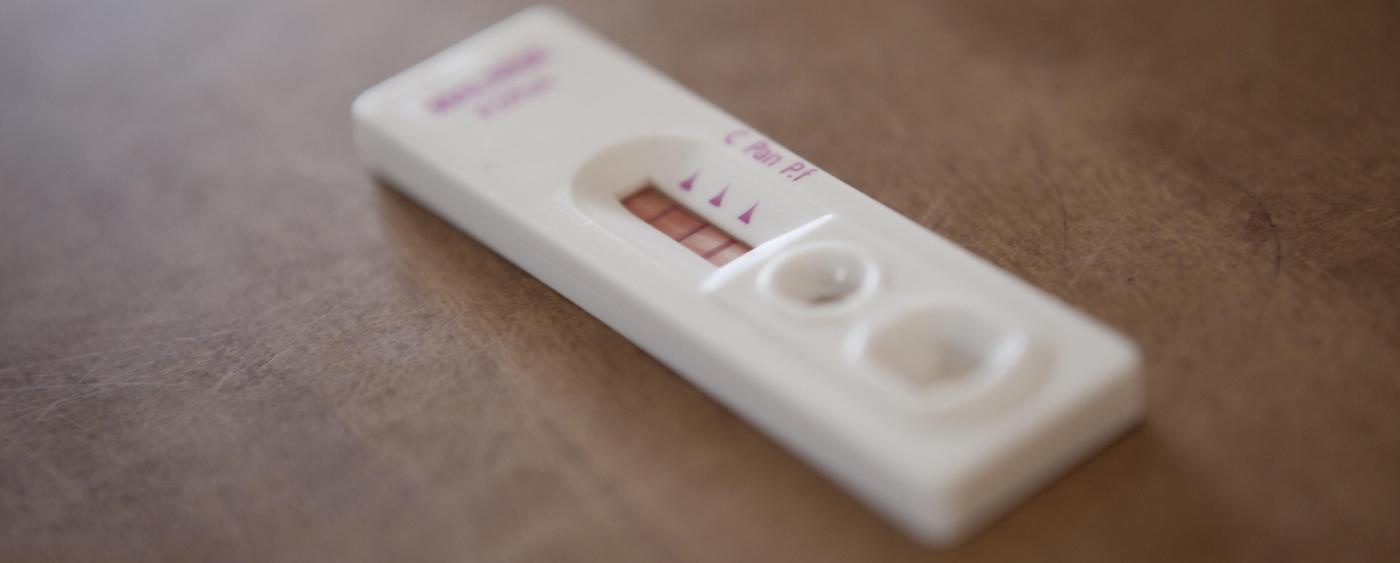
To address this need, the MSF Foundation is financing, through DiaTROPIX (a platform of the Institut Pasteur in Dakar), the development and production of rapid diagnostic tests (RDTs) for measles and meningitis. The launch of this clinical trial phase marks a key step in assessing the reliability and practical usefulness of the measles test in the field.
Two complementary studies will be used to evaluate this new tool:
- In Senegal: The study has begun. It is being conducted by the Institut Pasteur in Dakar at epidemiological surveillance sites located in areas with historically high measles incidence. Between 450 and 700 patients will be enrolled over a period of roughly six months.
- In a country with high measles epidemic potential: The study is planned for 2026. It will be carried out with our partner Epicentre in a zone with significant epidemic activity. Approximately 600 patients are expected to be tested over a period of four to six months.
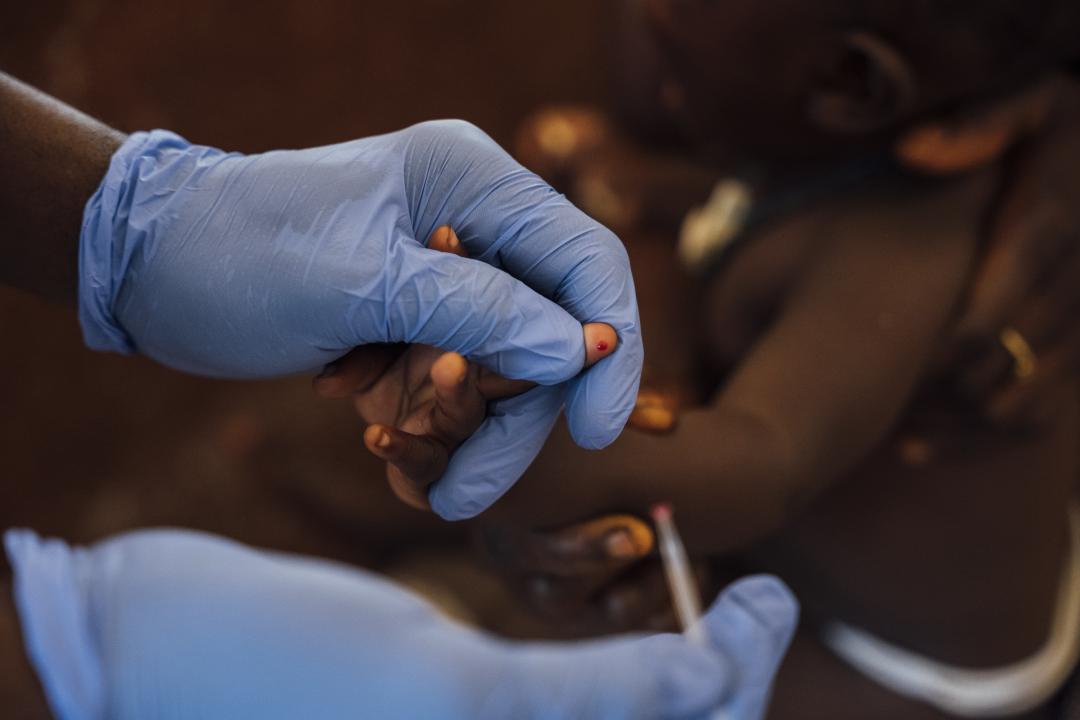
These combined approaches will make it possible to assess the RDT’s performance in contrasting contexts. Three types of samples are being used—capillary blood, serum, and saliva—to confirm the test’s reliability.
This test aims to provide an alternative to reference methods that can only be performed in a laboratory.
With this crucial step in developing a tool that can be used directly in the field, the MSF Foundation and its partners reaffirm their commitment to improving access to rapid and reliable diagnostics for vulnerable populations, thereby contributing to the fight against epidemics.
Oliver Barth/MSF