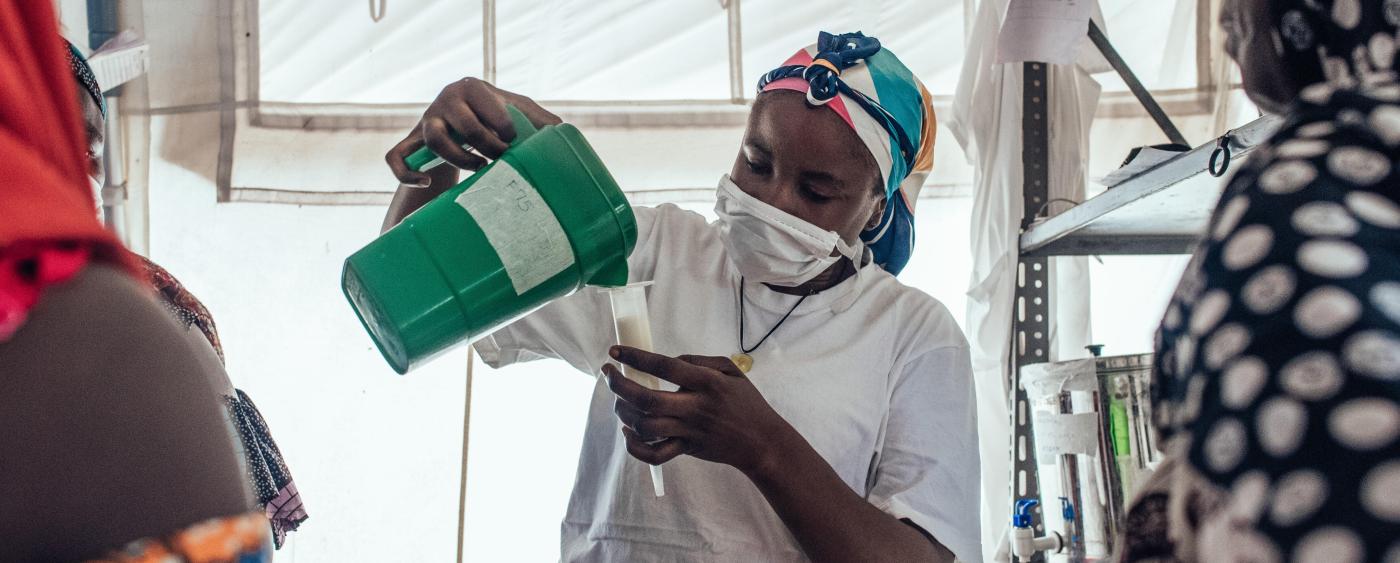
OPTIMILK F-60
Diana Zeyneb Alhindawi
A Critical Global Health Challenge
In 2023, over 36 million children under the age of five suffered from acute malnutrition across 32 countries. Malnutrition contributes to nearly half of all deaths in this age group.
These deaths are not inevitable. They result from a convergence of crises: prolonged conflicts, droughts, population displacement, collapsing international funding, and a lack of access to suitable therapeutic foods and effective treatment protocols.
This situation places enormous pressure on already fragile healthcare systems while resources continue to dwindle.
Médecins Sans Frontières (MSF) is witnessing an unprecedented increase in admissions for severe malnutrition: in just four years, MSF France’s nutrition programs have tripled in scale. This pressure is particularly acute in Niger, northern Nigeria, and South Sudan.
Yet despite the surge in need, therapeutic nutrition has remained largely unchanged for the past 20 years. The sector suffers from a major underinvestment in research and development.
For this reason, the MSF Foundation has made a strategic decision to invest in nutritional innovation, strengthening treatment capacity where the need is most urgent.
From an Initial Therapeutic Revolution to Its Limits
In the 2000s, the introduction of ready-to-use therapeutic foods (RUTFs), such as Plumpy’Nut®, transformed the management of acute malnutrition by allowing children to continue treatment at home.
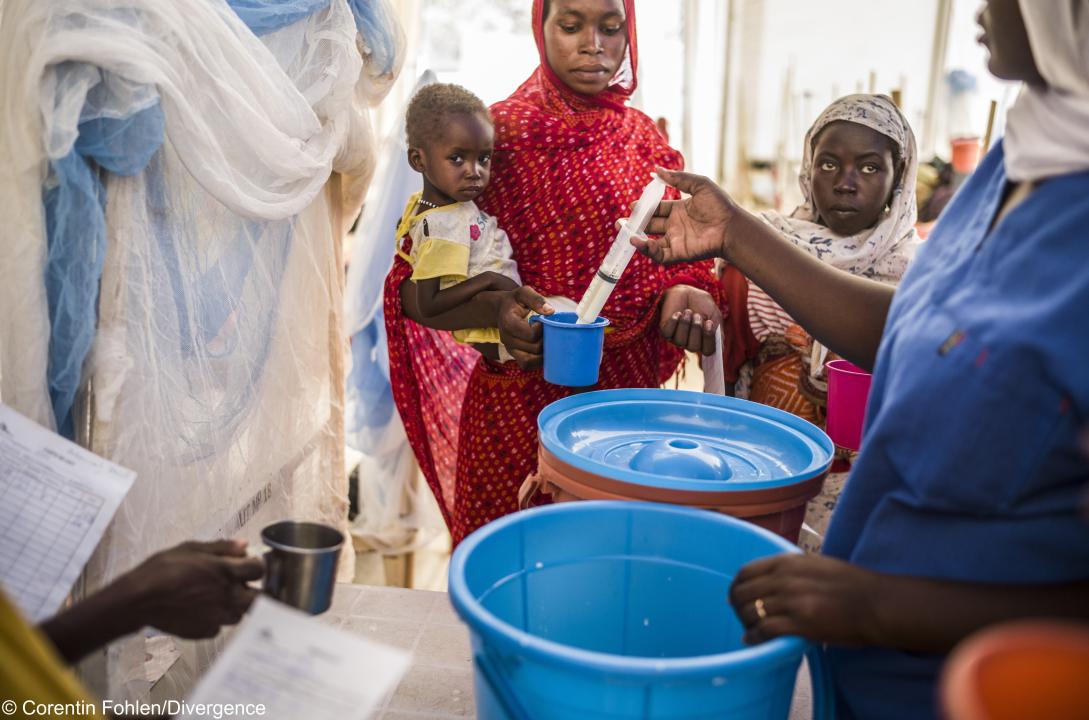
However, for the most severe cases with complications, hospitalization remains essential. Since the 1980s, the first phase of treatment has relied on a therapeutic milk called F-75. Today, we know that F-75 does not reflect the latest scientific knowledge.
This realization led to the birth of the Optimilk F-60 project. Initiated by MSF nutrition specialists in collaboration with researchers at icddr,b (International Centre for Diarrhoeal Disease Research, Bangladesh), one of the world’s leading clinical research centers on child malnutrition, the project aims to rethink the existing treatment to better meet children’s needs and optimize the stabilization phase.
The F-60 Formula: Improving a Life-Saving Treatment
The MSF Foundation, together with MSF teams, has decided to support and coordinate efforts to redesign F-75 through a new formulation: F-60.
This formula is based on recent advances in the physiology of metabolic stabilization for children suffering from severe kwashiorkor and marasmus.
In 2026, the MSF Foundation will fully fund the Optimilk F-60 project and support icddr,b in implementing the Phase 1 clinical trial, a crucial first step to assess the safety and tolerability of this new formula in children hospitalised for severe acute malnutrition. This stage, expected to last 12 to 15 months, is essential before moving on to a larger-scale efficacy study.
In parallel, The MSF Foundation leverages its expertise in managing multi-partner projects to act as a focal point with icddr,b and support MSF and Epicentre in preparing the operational conditions necessary to evaluate F-60’s effectiveness in MSF hospitals, so that results can be quickly translated into clinical practice.
The project’s goals are clear: reduce mortality, shorten hospitalization, and improve the overall quality of care for malnourished children.
Innovation at the Heart of the MSF Foundation’s Mission
The Optimilk F-60 project fully embodies the MSF Foundation’s mission: accelerating innovation where needs are greatest. It ensures the right tools are developed with the right scientific partners so they can be used where children need them most, by all actors engaged in the fight against child malnutrition.
This new formula aims to modernize a life-saving treatment, currently used worldwide, for the direct benefit of the most vulnerable children.
Optimilk F-60 is a discreet innovation in form, but potentially transformative in its impact on the care of children with severe malnutrition.
Corentin Fohlen/Divergence