INSULIN-DEPENDENT DIABETES
A Public Health Challenge
MSF is seeing a steady increase in diabetes consultations across its projects. Yet, major inequalities persist: in low- and middle-income countries (LMICs), a 10-year-old child with type 1 diabetes (T1D) has an average life expectancy of just 13 years, compared to 65 years in high-income countries. The high cost of insulin and blood glucose monitoring devices severely limits access to care, forcing some patients to travel long distances multiple times a day for treatment—often at the risk of their safety.
In these settings, insulin and monitoring tools are often not covered by public health systems, and clinicians do not always receive the necessary training to manage this complex disease.
MSF’s Commitment
In response to these challenges, MSF is developing a care model that promotes patient autonomy through several key initiatives:
- Medical training and patient education
In partnership with the NGO Santé Diabète, MSF is developing educational tools to improve healthcare workers’ training and raise patient awareness about managing their condition.
- Improving access to treatment
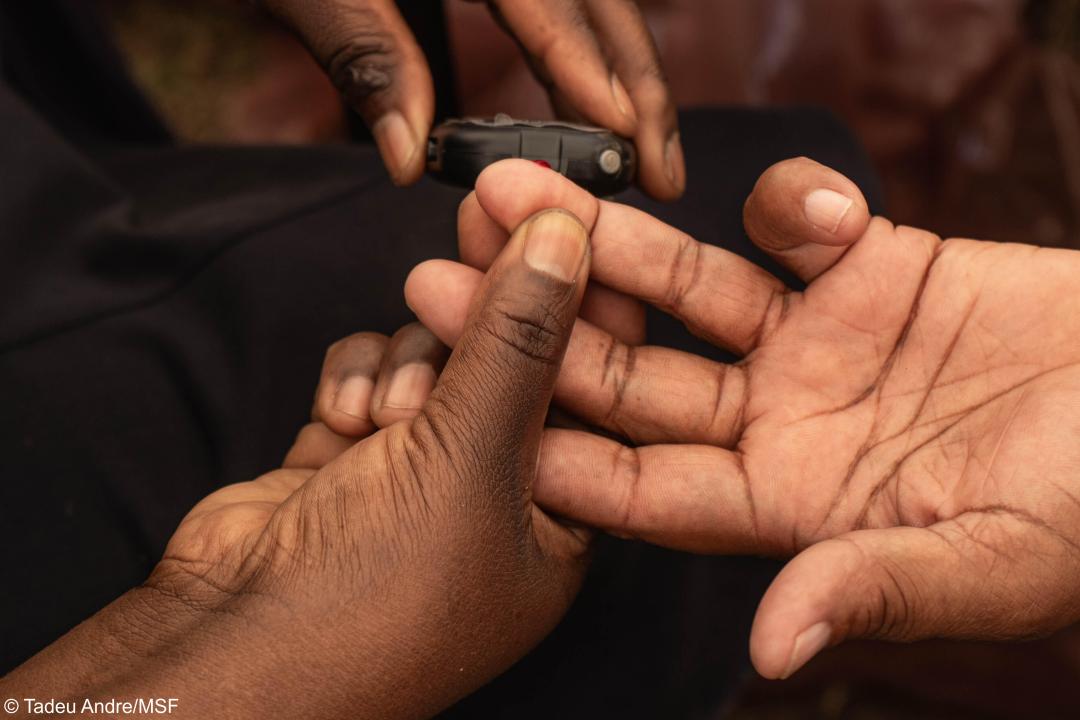
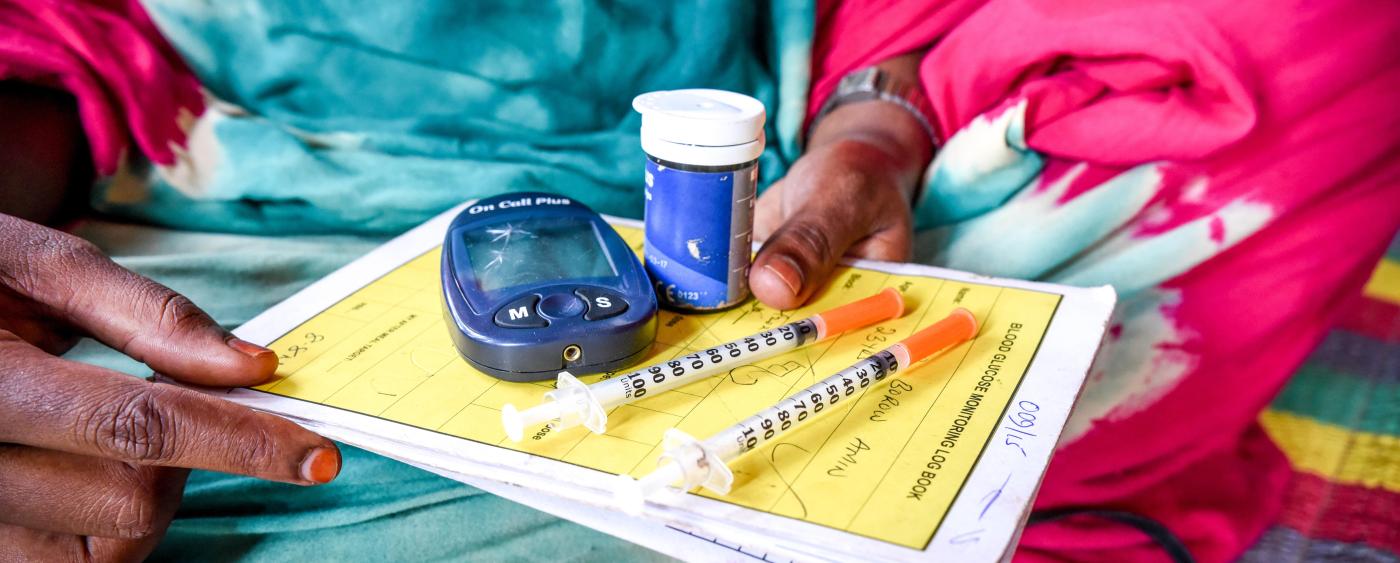
MSF is introducing widely used devices from high-income countries, such as insulin pens and glucometers that allow at-home monitoring.
These initiatives are currently being tested in the field, particularly in Carnot (Central African Republic) and Aweil (South Sudan), where virtual and in-person training sessions have already significantly improved clinicians' knowledge of insulin-dependent diabetes. However, managing this disease remains particularly challenging in unstable contexts, where poverty and food insecurity exacerbate the difficulties.
The Role of MSF Foundation
The MSF Foundation is exploring new ways to improve patient care.
One of these focuses on finding a better solution to manage diabetic ketoacidosis in children, a life-threatening complication of type 1 diabetes. The Foundation has brought together experts and launched an ambitious project: a clinical calculation tool, co-designed with paediatricians, nurses, endocrinologists, developers and regulators. The tool is designed to analyse patient data and suggest treatment adjustments to help save lives, especially in settings where specialist care is limited.
Initial evaluations are planned in South Sudan in 2026, marking a concrete step towards more sustainable improvements in patient care.